Table of contents
Land management has evolved significantly with the rise of advanced mulching technology, offering innovative solutions for efficient land clearing. With environmental concerns and project deadlines at the forefront, finding ways to streamline the clearing process while maintaining ecological balance is indispensable. Explore how cutting-edge mulching techniques can transform challenging tasks into seamless operations, unlocking productivity and sustainability for any land development project.
Understanding modern mulchers
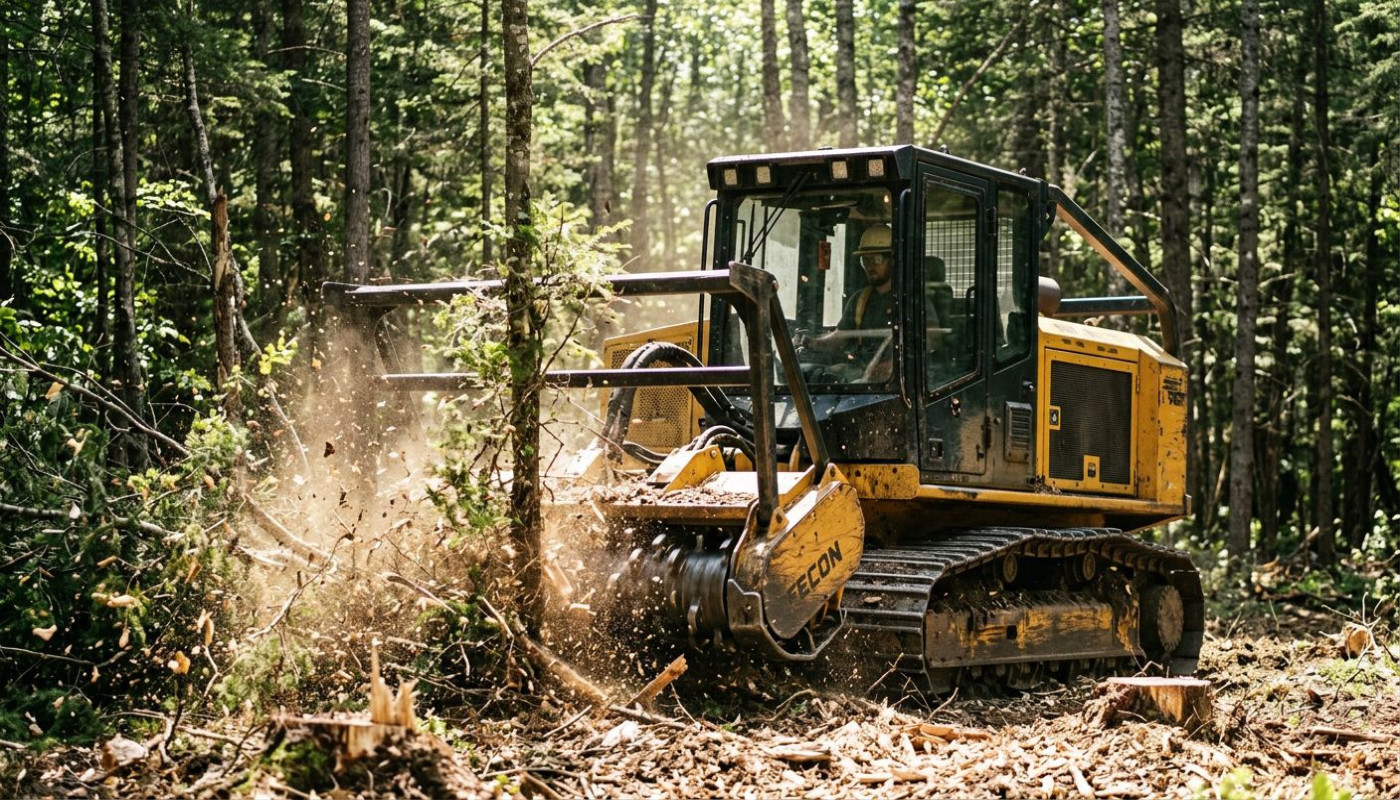
Modern land clearing equipment, particularly advanced mulchers, represents a significant leap forward compared to traditional tools like bulldozers, chainsaws, and manual labor. At the core of this innovation is the specialized rotor system, engineered to enable precise cutting and shredding of dense vegetation, even in the most challenging environments. Unlike their predecessors, these advanced mulchers utilize a hydraulic drive system and variable displacement motor, which together offer superior control over torque and speed. This results in exceptional adaptability to a wide range of terrains, from rocky outcrops to wetlands, ensuring efficient land management regardless of conditions. Durability has also been vastly improved, with wear-resistant steel components and reinforced cutting teeth designed for extended service life, reducing downtime and maintenance costs. In terms of environmental safety, modern forestry mulcher technology is engineered to minimize soil disturbance and prevent erosion, while the fine mulch layer left behind supports natural regrowth and soil health. Collectively, these technological advancements make current land clearing equipment not only more effective at clearing dense vegetation but also more sustainable and reliable for diverse land management needs.
Benefits of advanced mulching
Advanced mulching technology delivers significant value in sustainable land clearing projects compared to conventional approaches. By utilizing modern equipment designed to shred and distribute vegetation efficiently, these solutions offer reduced soil disruption, maintaining the integrity of the topsoil layer while controlling biomass reduction. This process leaves a layer of surface residue that aids in erosion control and helps retain soil moisture, directly supporting eco-friendly mulching practices. Furthermore, the minimization of waste is a direct result of converting cleared vegetation into mulch, which not only enhances site preparation but also contributes to overall operational efficiency by avoiding the need for hauling and landfill disposal.
Time savings are evident with advanced mulching systems, as the integration of high-powered cutters and specialized machinery streamlines vegetation management. Operations that once took days with manual clearing or traditional equipment can often be completed within hours, thanks to improved processing speeds and the ability to handle dense underbrush or challenging terrain with ease. This rapid workflow reduces labor requirements and machinery hours, leading to lower fuel consumption and decreased wear on equipment, which translates to reduced operational costs throughout the duration of the project.
Another significant advantage is improved site safety, a priority in responsible land restoration efforts. Advanced mulching technology minimizes the need for manual labor in potentially hazardous environments, reducing the risk of injury and exposure to wildlife or unstable ground. The immediate incorporation of mulch into the soil surface also decreases post-clearing risks such as dust generation and runoff, further enhancing safety and protecting adjacent ecosystems. These combined benefits establish advanced mulching as a preferred method for sustainable land clearing, supporting efficient, eco-friendly, and cost-effective site development and vegetation management.
Choosing the right technology
Selecting advanced mulching equipment for land clearing projects involves careful assessment of several factors to guarantee maximum efficiency and cost-effectiveness. Terrain type is a significant consideration in mulching equipment selection, as machines must be adapted to handle flat fields, rugged hills, or heavily forested areas; features such as mobility and ground clearance can greatly influence performance in these environments. Project size also dictates whether a high-powered, large cutting width mulcher is appropriate, or if a more compact unit with a superior power-to-weight ratio would be better for maneuvering in tight or sensitive spaces.
Another factor in forestry project planning is the type and density of vegetation present, since different vegetation control technology options are designed for brush, saplings, mature trees, or mixed growth. Matching machine capabilities to project goals allows operators to avoid underpowered equipment that may stall or overpowered systems that waste resources. The right combination optimizes productivity and safety while minimizing environmental impact, supporting sustainable land clearing solutions for both small-scale management and extensive development projects.
For those seeking guidance on terrain adaptation and equipment features, visit this link for detailed product specifications and expert advice. This resource provides comprehensive information to help decision-makers align their mulching technology with specific operational requirements, ensuring well-informed choices and project success.
Optimizing workflow and productivity
Integrating advanced mulching technology into the land clearing workflow can significantly boost project efficiency and resource management. Implementing GPS-enabled tracking systems allows for precise coordination of equipment operation, streamlining worksite logistics and minimizing unnecessary machine movements. Productivity tips include scheduling operator training sessions focused on the latest mulcher features, ensuring that crews are skilled in both basic and advanced equipment functions. Effective mulcher maintenance, such as adhering to strict preventive maintenance routines, helps extend machine lifespan and reduces unexpected downtime. Real-time project monitoring tools provide immediate insights into progress and resource allocation, enabling quick adjustments for optimal productivity. Prioritizing these strategies ensures that every aspect of the land clearing workflow operates at peak performance, reducing costs and completing projects ahead of schedule.
Environmental impact and sustainability
Advanced mulching technology plays a pivotal role in sustainable mulching practices by enabling eco-friendly clearing that minimizes harm to native ecosystems. Through precise application, these methods facilitate habitat protection by selectively removing invasive species while preserving native flora and fauna, thus supporting habitat restoration. The process of mulch decomposition enriches soil with organic matter, creating favorable conditions for natural regrowth and land restoration. By reducing the need for burning or hauling debris, these systems lower greenhouse gas emissions and contribute to environmental preservation through enhanced carbon sequestration. Sustainable mulching practices further support long-term soil fertility and minimize soil erosion, ensuring that cleared lands remain viable for future ecological or agricultural use. Employing such innovative techniques not only protects biodiversity but also aligns with global efforts to promote responsible land management and environmental stewardship.
Similar articles

Unveiling the Mysteries of Underground Gardens

Exploring the Power of Indigenous Plant Cultivation
