Table of contents
Discover the profound influence that high-quality duvet covers can have on sleep quality. The fabric surrounding you each night does far more than just decorate the bedroom—it directly affects comfort, temperature regulation, and even hygiene. Read on to uncover expert insights into why selecting the right duvet cover is key for restful, rejuvenating sleep.
The role of fabric choice
The type of duvet cover materials directly influences sleep quality by affecting breathability, softness, and durability. Cotton duvet covers are widely regarded for their breathable fabric properties, allowing air to circulate freely and promoting a cool sleep environment. This material is also known for its moisture-wicking ability, drawing sweat away from the body and reducing nighttime discomfort. Linen bedding offers another excellent option, prized for its natural temperature regulation and moisture-wicking capabilities, which prevent overheating and contribute to a restful night. While linen feels slightly textured at first, it becomes softer with each wash and is highly durable. Microfiber, a synthetic alternative, provides a soft and lightweight feel, but it may trap heat and moisture, which can detract from overall comfort for those seeking breathable fabric. Each of these duvet cover materials offers unique benefits and potential drawbacks, making the selection process significant for optimizing sleep quality and ensuring long-term comfort.
Temperature regulation benefits
High-quality duvet covers play a pivotal role in temperature regulation by supporting the body’s thermoregulation processes during sleep. The science behind this lies in the selection of advanced fabrics such as cotton, bamboo, or specialized cooling duvet cover materials, all designed to enhance breathability and moisture-wicking. These materials facilitate airflow, allowing excess heat to dissipate and reducing the likelihood of overheating or experiencing night sweats. At the same time, they provide sufficient insulation to prevent feeling too cold, striking a delicate balance that supports an optimal sleep environment. This improved thermal comfort can be particularly beneficial for individuals prone to temperature fluctuations or those seeking to maintain a stable body temperature throughout the night.
Research into the relationship between bedding choices and the sleep environment highlights the significance of fabric technology in regulating warmth and moisture. Innovative cooling duvet cover designs often incorporate phase change materials or microfibers that actively respond to shifts in body temperature, aiding thermoregulation in real time. As a result, sleepers benefit from reduced disturbances caused by thermal discomfort, elevating the overall quality of rest. By investing in high-quality covers engineered for temperature regulation, individuals can foster an environment conducive to deep, uninterrupted sleep, which is vital for restorative health.
Impact on skin health
The choice of duvet cover plays a significant role in maintaining skin health, particularly for individuals with sensitive skin or pre-existing dermatological conditions. Hypoallergenic duvet cover materials, such as tightly woven cotton or advanced microfiber, are designed to minimize irritation and act as a protective layer for the dermatological barrier. These fabrics not only provide comfort but also help to shield the skin from dust mites, common household allergens, and microbial contaminants that can trigger allergic reactions or exacerbate eczema and dermatitis.
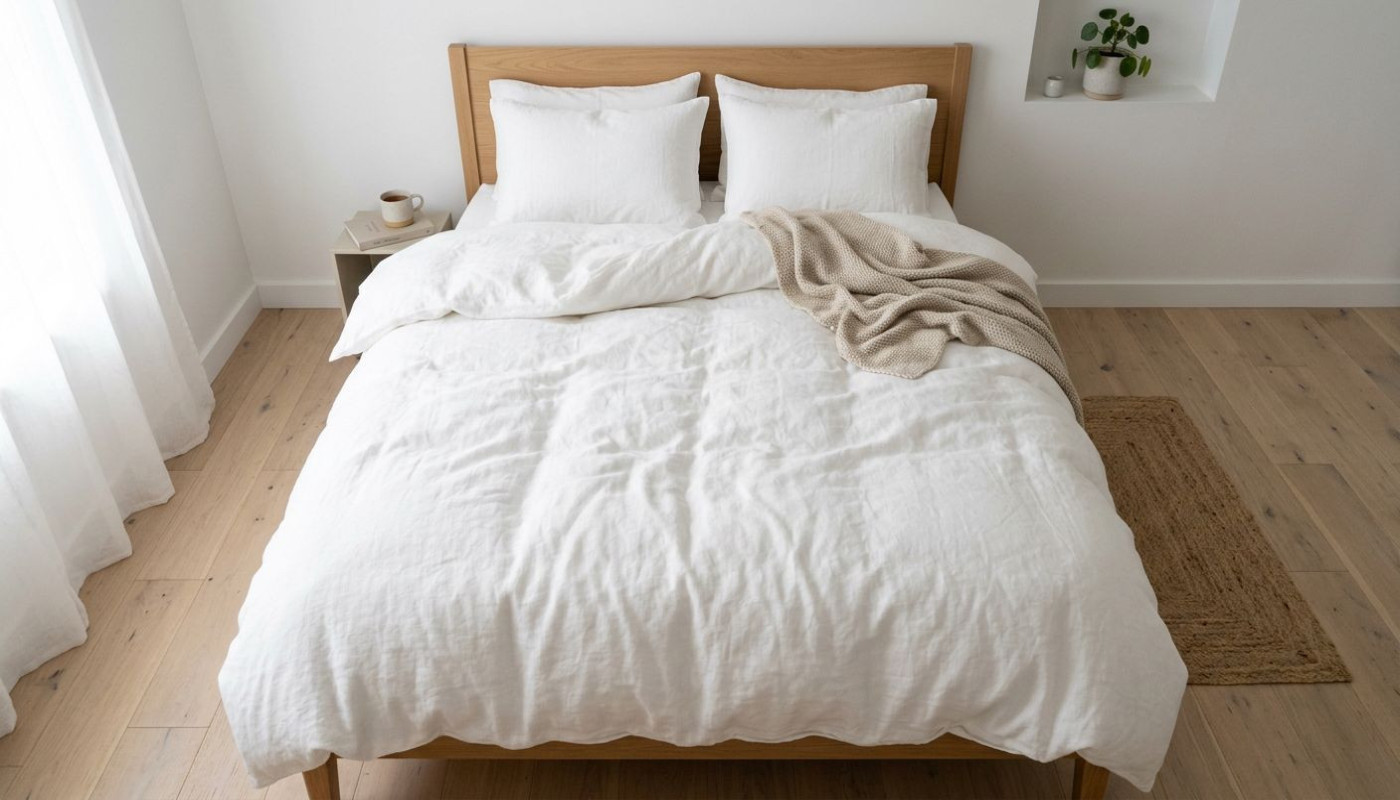
Allergy protection is greatly enhanced by the use of high-quality, breathable textiles that effectively reduce the accumulation of dust mites and other potential irritants. For those susceptible to skin flare-ups, choosing a duvet cover made from skin-friendly materials can significantly lower the risk of overnight irritation by preventing friction and trapping fewer allergens. A white, cotton-sateen duvet cover is an excellent example, offering both luxurious softness and robust allergy protection, while also being easy to wash and maintain. Such options not only promote uninterrupted sleep but also contribute to overall dermatological well-being by supporting the skin’s natural defenses. For more information and a selection of premium choices, visit white, cotton-sateen duvet cover.
Hygiene and ease of care
High-quality duvet covers play a pivotal role in maintaining bedroom cleanliness and supporting a healthier sleep environment. Easy-care bedding options such as a washable duvet cover allow for regular laundering at home, reducing the accumulation of dust mites, allergens, and other contaminants that can affect respiratory health and disrupt sleep. Many premium options are designed with stain-resistant fabrics, making it straightforward to address spills or stains before they become persistent problems. Furthermore, when a duvet cover features an antimicrobial finish, it actively inhibits the growth of bacteria and fungi, which are common sources of odors and potential skin irritations. This advanced textile treatment helps preserve hygiene for longer periods between washes, especially valuable for individuals with sensitive skin or allergies.
The presence of antimicrobial duvet cover technology, combined with the convenience of easy-care bedding, means that the sleep surface remains cleaner and fresher night after night. Regular use and maintenance of a washable duvet cover not only improves bedroom cleanliness but also ensures the comfort and safety of the sleeper by minimizing exposure to irritants. These factors collectively support improved sleep quality over time, as a clean, hygienic sleep environment contributes to reduced nighttime allergies and skin issues, fostering deeper and more restorative rest.
Longevity and investment value
Premium bedding offers a compelling case for those seeking both comfort and long-term value, with bedding durability at the forefront. High-quality duvet covers are crafted using advanced weaving techniques and superior raw materials, which support fiber integrity and deliver a long-lasting duvet cover that resists pilling, color fading, and fabric thinning even after numerous washes. Investing in premium bedding ensures fewer replacements, reducing annual spending compared to more frequent purchases of lower-quality options, whose compromised fiber integrity leads to rapid deterioration. Such bedding investment not only yields cost savings but also aligns with sustainable bedding practices, as extending product lifespan directly lessens environmental impact by minimizing waste. Those who prioritize durability and sustainable bedding will find that premium options provide both immediate luxury and enduring performance—qualities that make them a wise, responsible choice for the discerning consumer.
Similar articles

The Magic of Minimalism: Transforming Spaces

Minimalist Trends in Sustainable Furniture Design
